
Media wall or smart wall: which one do you actually need?
They share the same modules, the same finishes and the same install team. The difference is what happens after the wall is on the wall.
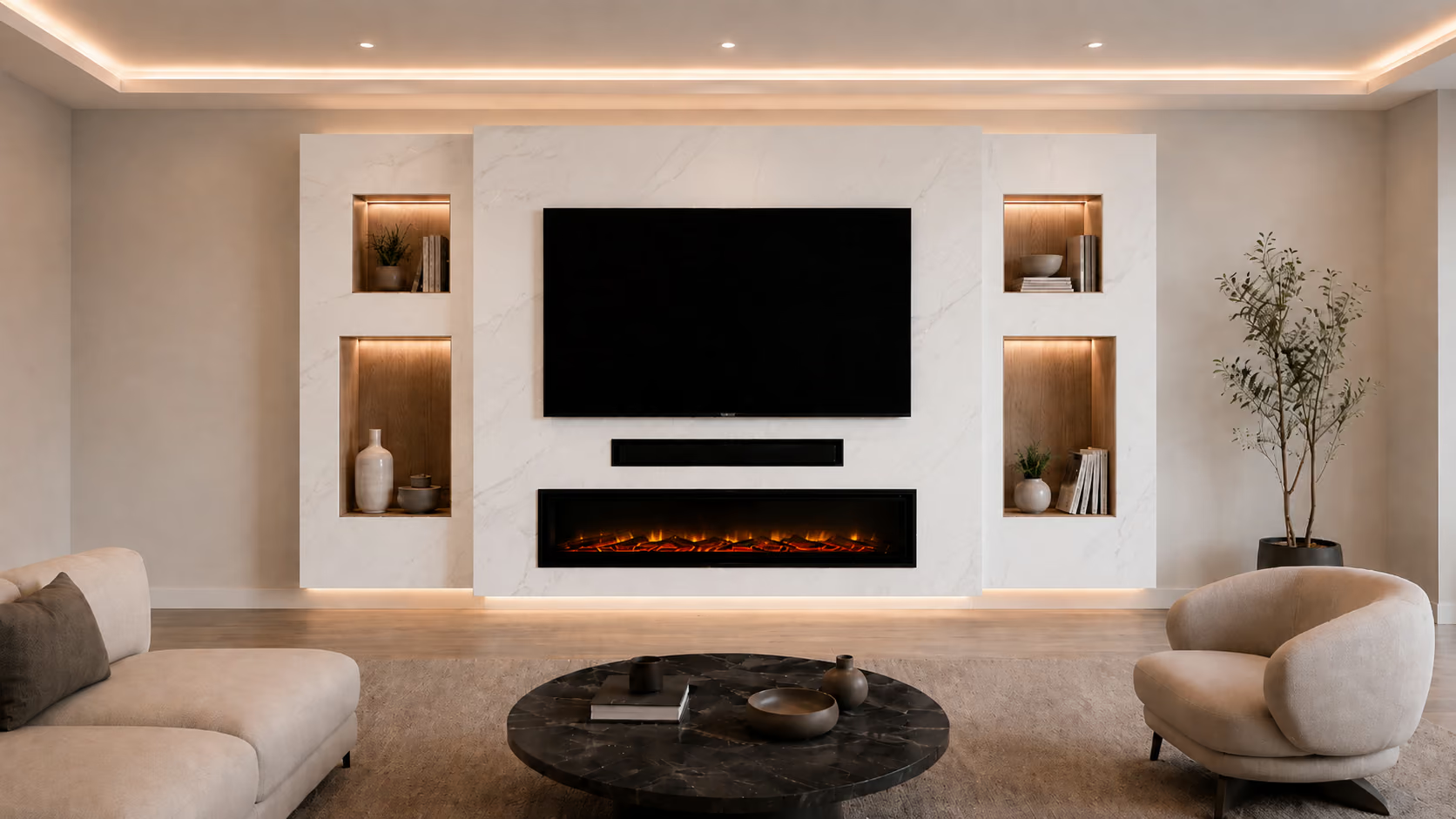
Most people arrive asking for a media wall and leave with a quote for something in between. That is not an upsell. It is because the two products are the same object with a different amount of technology inside it, and the honest answer depends on how you use the room rather than on what you can afford.
Here is how we split them when we specify a job.
A media wall is architecture
A media wall is a factory-built shell designed around the television, the electric fire, the soundbar and whatever else lives on that wall. Cables run inside the modules. Shelves and niches are set out to your wall width. Lighting is on a normal switch.
If your evening routine is a remote control and a light switch, this is the right product. It is quieter to live with, cheaper to maintain, and there is nothing to update.
A smart wall adds control
A smart wall is the same shell with devices designed in from the start: dimmable and colour-changing lighting, preset scenes, audio, motorised curtains, climate and security, controlled from a wall panel, an app or your voice.
The reason to do it at build time rather than later is cabling. A retrofit means surface trunking or chasing walls. Fitting the devices into modules that are already being wired in the factory costs a fraction of the disruption.
The middle option most people choose
There is a level between the two that we quote more often than either extreme: the media wall shell, plus dimmable scene lighting on a smart switch. No panel, no hub to think about, but the room can go from bright to cinema in one press.
Our quote planner shows all three levels side by side, so you can see what each layer adds before you commit to any of it.
Questions worth answering first
How wide is the wall, to the nearest centimetre? Is the television staying or being replaced? Is there a socket and a spur on that wall already? Do you want the fire on the same wall as the screen?
Those four answers are enough for us to produce an indicative price, and they are the first four questions the planner asks.