
How to hide TV cables on a wall, with or without chasing
How to hide TV cables on a wall: cable covers, in-wall kits, chased conduit and built-out walls compared, with the electrical rules UK homes must follow.
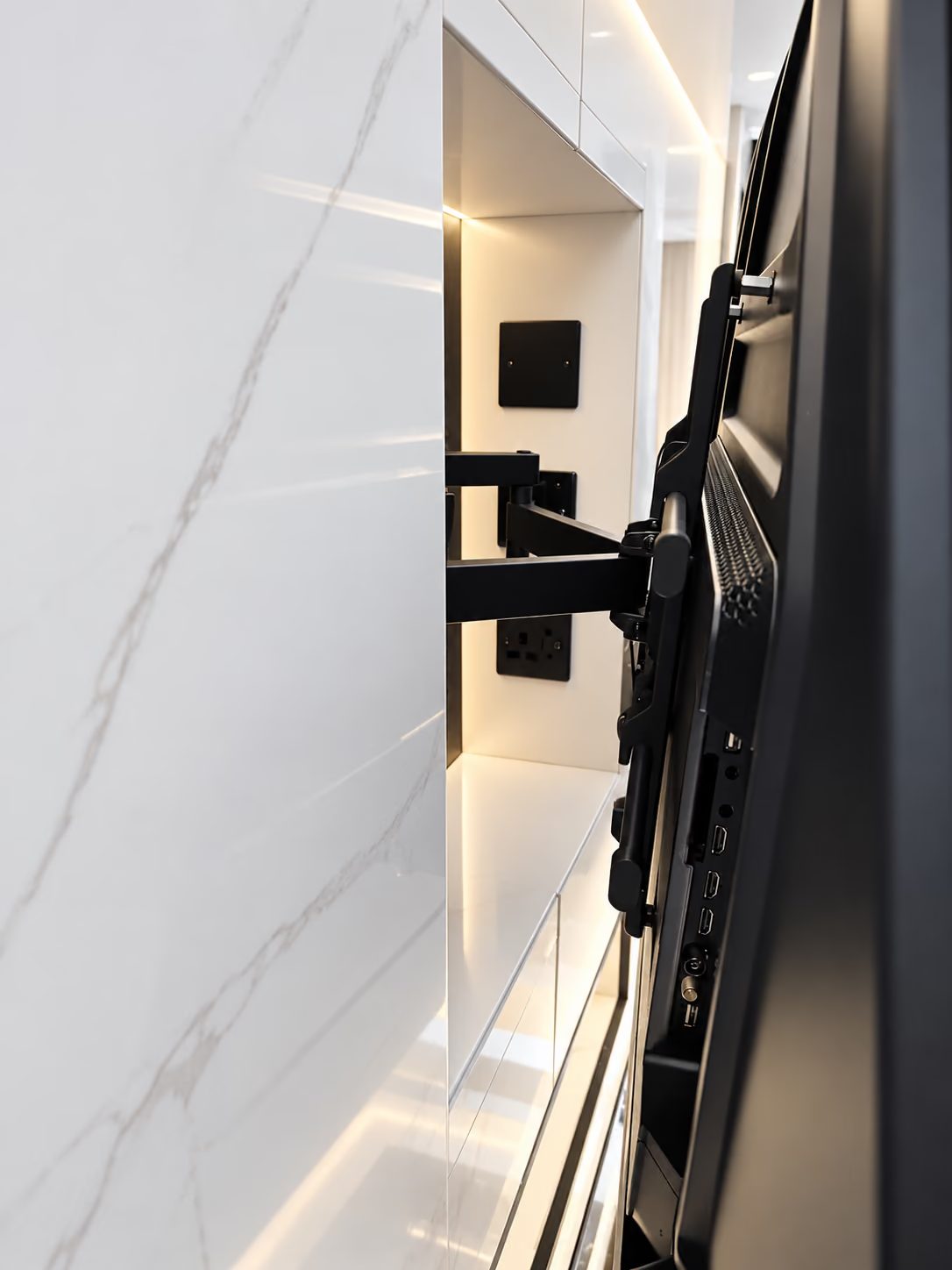
The television looked as if it floated in the shop. At home it hangs on the wall with a black tail of cables dropping to a socket at skirting height, and that tail is the thing everybody notices first. It is the single most common complaint we hear about a wall-mounted TV, and it is almost always fixable.
There are four ways to deal with it, from a cheap cover you can fit this afternoon to a wall where every cable is built in. Here is what each one involves, what it costs you in mess, and the electrical rules that decide which ones you can do yourself.
Why the cables show in the first place
A modern television needs more than one cable. There is the mains lead, at least one HDMI lead from a box, a console or a soundbar, often an aerial or satellite feed, and sometimes a network cable because Wi-Fi drops out during the film. Most British living rooms were wired decades ago, with sockets near the floor and nothing at TV height.
So the problem is not really the cable. It is the distance between where the screen is and where the power and the equipment are. Every option below is a different way of closing that gap.
Option 1: a cable cover, painted to match
A plastic cable cover, sometimes called trunking, sticks or screws to the wall and hides the leads in a slim channel. It costs a few pounds, needs no electrician and comes off again, which makes it the right answer in a rented flat or on a solid wall you are not allowed to cut.
Two things make it look deliberate rather than an afterthought. Run it in one straight vertical line from the TV to the socket, never on a diagonal, and paint it the same colour as the wall. A white cover on a grey wall draws a line straight to the thing you were trying to hide.
Option 2: an in-wall cable kit on a stud wall
If the wall behind the TV is plasterboard on studs, you can pass the low-voltage leads through the cavity: a plate with a brush opening behind the screen, another just above the skirting, and the HDMI and aerial leads dropped between them. It is tidy and it is quick, but check for a horizontal noggin halfway down before you cut, because it will stop the leads dead.
The mains lead is the catch. The television's own power cord and any extension lead are not made to be buried in a wall, and pushing one through the cavity is exactly what the rules exist to stop. Kits that solve this include a proper power inlet and outlet, wired by an electrician, or you have a new socket fitted behind the screen.
Option 3: chase the wall and run conduit
On brick or block, hiding the cables inside the wall means cutting a channel, laying conduit in it and plastering over. It is the traditional way, and done properly it is invisible. Done without care it is a lot of dust, a day or two of plaster drying and a wall that has to be redecorated afterwards.
Cables buried in a wall have to follow set routes so the next person to drill into it can guess where they are: straight up or straight across from a socket or switch, within defined zones, and protected where they run shallow. That is BS 7671, the UK wiring standard, and in Scotland the work also has to meet the building standards. A registered electrician will route it correctly and give you a certificate, which your insurer and a future buyer's solicitor will both care about.
Whatever goes in the wall, put the HDMI and aerial leads in a separate conduit from the mains, and leave a draw string in it. The cable you will want in five years has not been invented yet, and a draw string is the difference between pulling it through and opening the wall again.
Option 4: build the wall out instead of cutting into it
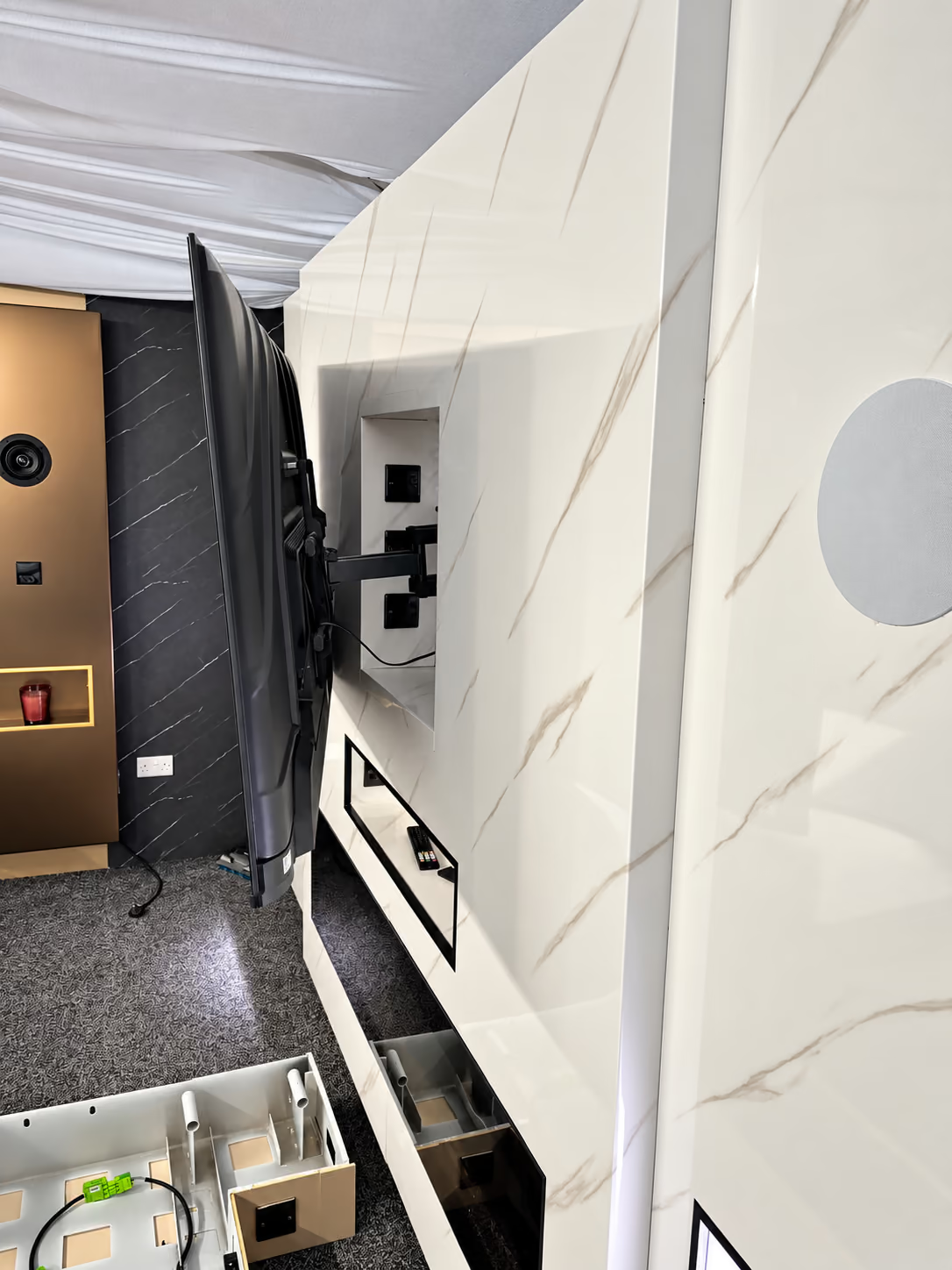
The fourth way avoids cutting the original wall at all. A feature wall or a media wall sits in front of it, and the cables live in the void behind the new face. The socket goes in a recess behind the screen, the HDMI drops through to a shelf or cupboard, and nothing runs across the surface.
That recess matters more than people expect. A plug in a flat socket behind a slim television pushes the screen away from the wall. Set back into the wall, the plugs disappear and the TV can sit almost flush. On a swing-arm bracket it also gives the cables room to fold as the arm moves, rather than being tugged out of the back of the set.
Plan for the next television
Whichever route you choose, the cables will outlive the television. Leave a service loop, a spare half-metre coiled behind the screen, so a bigger set or a different bracket does not leave the leads short. If the bracket is a swing arm, measure the cable at full extension, not with the TV against the wall.
Think about where the boxes live, too. A soundbar can connect with a single HDMI eARC lead, and some set-top boxes and consoles can sit in a cupboard or inside the wall as long as they have air around them and the remote can still reach them. The fewer devices on show, the fewer cables there are to hide.
What each option costs
A painted cable cover costs very little and an hour of your time. An in-wall kit on a stud wall is a few hours' work plus an electrician for the power. Chasing a solid wall is usually a day for the electrician and a plasterer, then redecorating.
Building the wall out costs more, but you get a finished wall rather than a repaired one. Our feature walls are £480 ex VAT for one panel, CNC-cut for your bracket, and our media walls start at £1,375 ex VAT with the TV preparation, the cable routes and the lighting built in at the factory. A standard extendable bracket is £80.00 ex VAT and a motorised smart bracket £185.00 ex VAT, both excluding installation.
Common questions
- How do you hide TV cables without chasing the wall?
- Use a paintable cable cover running straight down to the socket, or, on a stud wall, an in-wall cable kit that passes the leads through the cavity. The cleanest way with no chasing at all is to build the wall out with a feature or media wall and run everything inside it.
- Can you run a TV power cable inside the wall?
- Not the TV's own mains lead or an extension lead: they are not made to be buried. The safe way is a new socket behind the television, wired by an electrician in cable that is rated for the wall and run in the permitted zones. HDMI and aerial leads can go through conduit.
- Do I need an electrician to put a socket behind my TV?
- Yes. A new socket is electrical installation work and has to meet BS 7671. A registered electrician will certify it, which matters for your home insurance and when you sell.
- Where should the socket go for a wall-mounted TV?
- Behind the screen, roughly at the height of the bracket, in a recess if you can, so the plugs do not push the TV off the wall. Add a second socket low down for the soundbar, box or console.
- How do you hide TV cables on a brick wall?
- Either chase the brick and run conduit, which means plastering and redecorating, or fit a slim cable cover painted to match. Building a feature or media wall in front of the brick avoids cutting it at all.
Media walls: every cable and socket built into the wall
Written for customers in Glasgow, Edinburgh, Scotland and across the UK.